- Štítky blogu
Gene Bank of Hop (Humulus lupulus L.) in vitro
Petr Svoboda*, Vladimír Nesvadba, Jitka Charvátová, Alena Henychová, Ivana Malířová, Josef Patzak
Hop Research Institute Co., Ltd., Kadaňská 2525, 438 01 Žatec, Czech Republic, *corresponding author: svoboda@chizatec.cz
Abstract
In vitro explant cultures serve as a suitable method for the long-term conservation of the hop gene pool. The objective was to extend the interval between subcultures onto fresh medium, which typically ranges from 2 to 3 months under standard cultivation conditions, depending on the variety. By reducing the cultivation temperature to 20 ± 1 °C, it was possible to extend this interval to 4–5 months. Currently, 123 hop varieties are maintained in vitro.
Keywords: hop, Humulus lupulus L., gene bank, in vitro
Objective
The objective was to extend the interval between subcultures onto fresh medium, which typically ranges from 2 to 3 months under standard cultivation conditions, depending on the variety.
Introduction
The hop gene pool is primarily conserved through field collections located in hop-growing regions. Maintaining plants in the field is both labour-intensive and costly; furthermore, the plants are exposed to the risk of diseases and pests, and environmental factors pose a significant threat of total loss of valuable biological material. In vitro plant explant cultures also serve as a foundational stage for the implementation of subsequent biotechnological applications. In vitro cultivation methods effectively address these issues.
Materials and Methods
Hop varieties included in the World Hop Collection—part of the National Program for the Conservation and Utilization of Plant, Animal, and Microbial Genetic Resources for Food and Agriculture—were introduced into in vitro culture. Nodal cuttings are cultured individually in test tubes containing 5 ml of Murashige and Skoog (1962) nutrient medium, following the protocol by Svoboda (1991). Standard cultivation conditions include a temperature of 25 ± 1 °C, a light intensity of 50 μmol·m⁻²·s⁻¹, and a 16/8-hour photoperiod; the medium contains 20 g·l⁻¹ glucose and is adjusted to pH 5.5. Nodal cuttings are maintained in two test tubes; highly valuable genotypes—serving as the foundation for the production of pathogen-free hop planting stock—are also stored at a separate location as a safety duplicate. The typical interval between subcultures onto fresh medium ranges from 2 to 3 months. The health status of the cultures is continuously monitored using the ELISA method (Svoboda, 2006), while varietal authenticity and purity are verified according to Patzak (2003).
Results
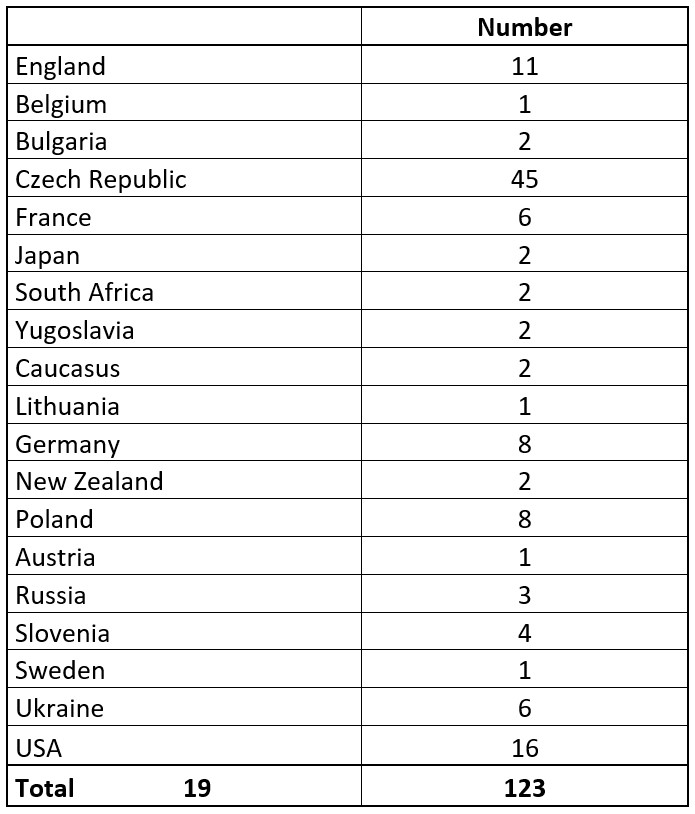
Currently, 123 hop varieties from all major cultivation regions are preserved in the in vitro gene bank; the largest number of varieties originates from Europe and the USA (see Graph 1). Within the European continent, varieties from the Czech Republic and Germany are the most represented (see Table 1).
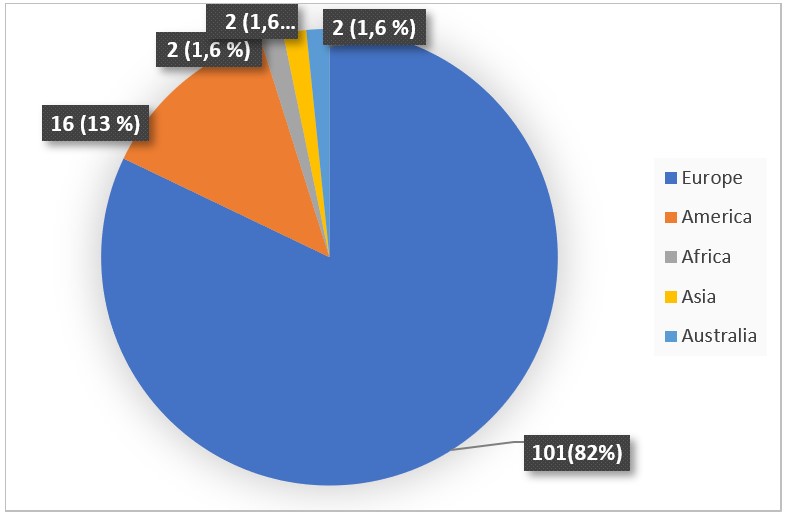
Graph 1: Geographical origin of hop varieties
Table 1: Country of origin of hop varieties
Storing cultures at a temperature of 20 ± 2 °C extended the interval between subcultures to 4–5 months, while maintaining a high survival rate (> 95%).
Acknowledgements
This work was supported by the Ministry of Agriculture of the Czech Republic, project NAZV QL24010353.
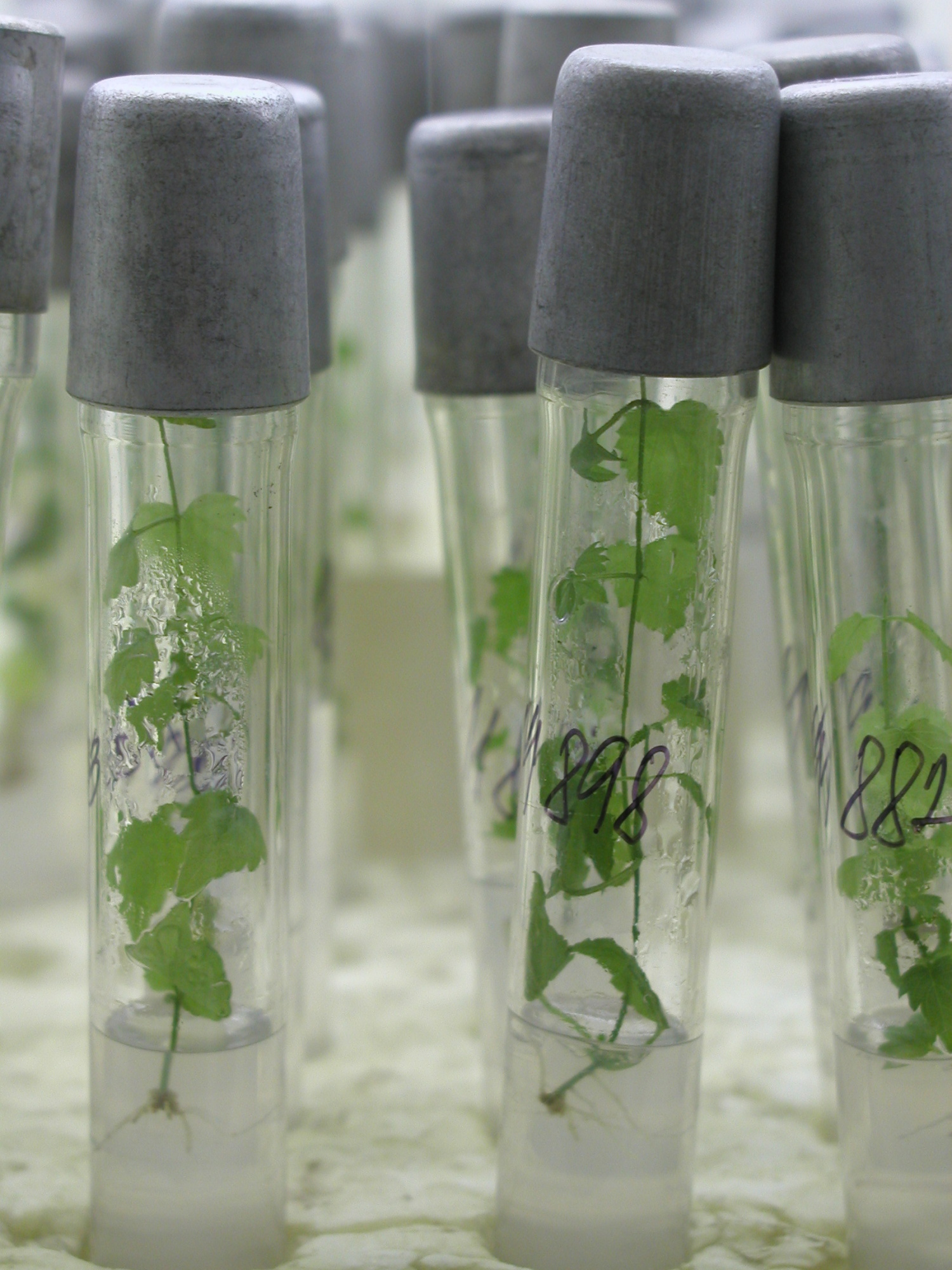
Fig. 1 Gene bank of hop in vitro (Svoboda Petr)